



 Your basket is empty.
Icebreaker
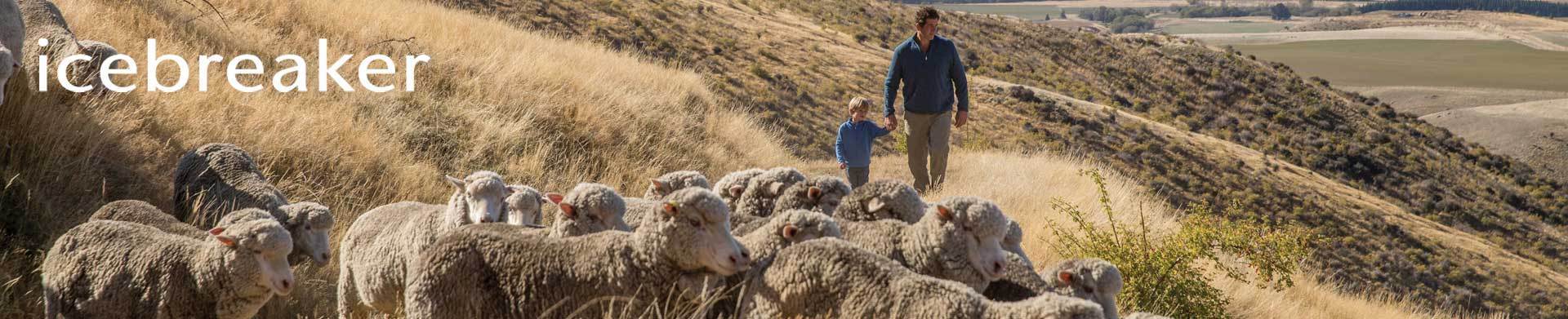
From New Zealand merino farms to a global brand
When Jeremy Moon first put on a merino wool T-shirt at a sheep farm in New Zealand in the mid-1990s, he immediately noticed how different it felt compared to cotton or synthetic sportswear: soft, warm, breathable and without itching. That experience led to the founding of Icebreaker in 1995, a brand that created a new category: natural performance clothing made from merino wool from the rugged New Zealand mountains.
Instead of developing even more synthetic fibres, Icebreaker asked a simple question: what if the best technology already grows in nature? From that idea, Icebreaker has grown from a small New Zealand brand into an international label sold in thousands of stores in dozens of countries, while remaining closely connected to the merino farmers in the Southern Alps.
Learn more about the origins of Icebreaker on the official Icebreaker page: How we began.
Why merino wool is so pleasant to wear
The foundation of all Icebreaker clothing is fine merino wool. Merino fibres are much thinner than those of regular sheep’s wool and therefore feel soft on the skin, without the typical wool “itchiness”. At the same time, merino wool has a number of natural functional properties that you would normally only expect from technical synthetic fabrics:
- breathable and thermoregulating – warm when it’s cold, but not stuffy when you are active
- moisture regulating – absorbs perspiration and releases it as vapour
- odour resistant – merino absorbs sweat odour much less, keeping clothing fresh for longer
- insulating – feels warm even when slightly damp
- naturally elastic – follows the shape of your body without constricting
The result is clothing that feels very natural to wear, both during intensive outdoor activities and in everyday use. Many people find merino wool calmer on the skin than synthetic fabrics, especially on longer trips or travels.
Icebreaker in practice: easy to care for
Merino wool is a 100% natural product, but that certainly does not mean it is difficult to care for. In most cases, Icebreaker merino clothing can simply be washed in the washing machine at low temperature with your regular laundry. Often, airing is enough to remove odours, meaning you need to wash less frequently and your clothing stays in good condition longer.
Layering: different fabric weights for every season
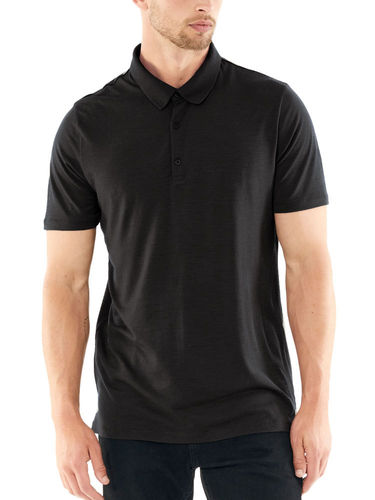
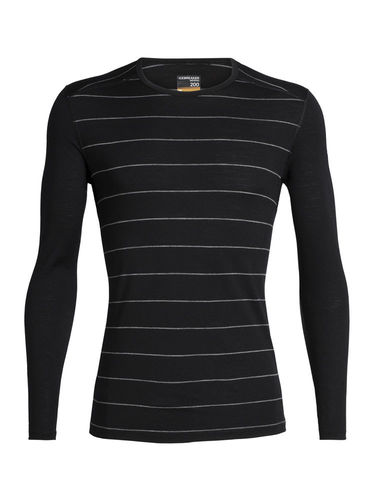
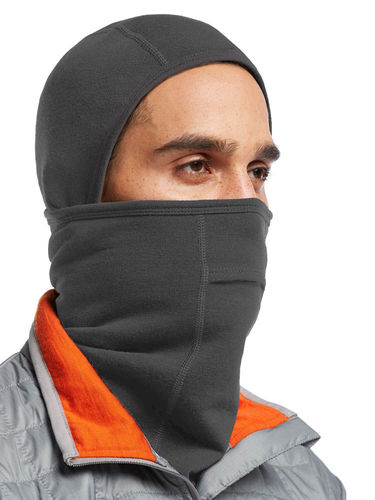
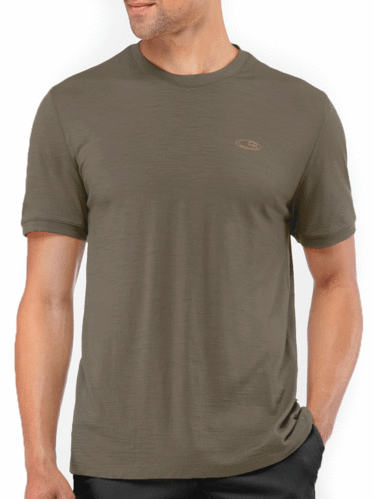
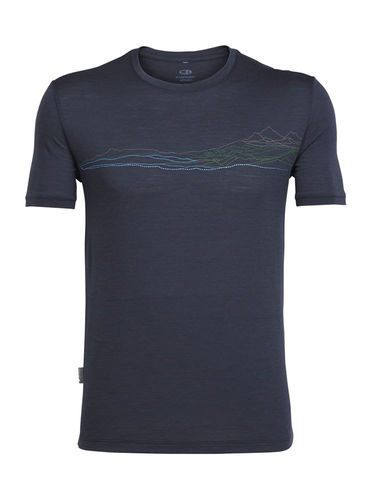
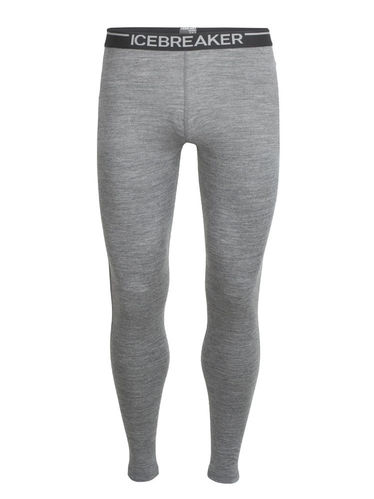
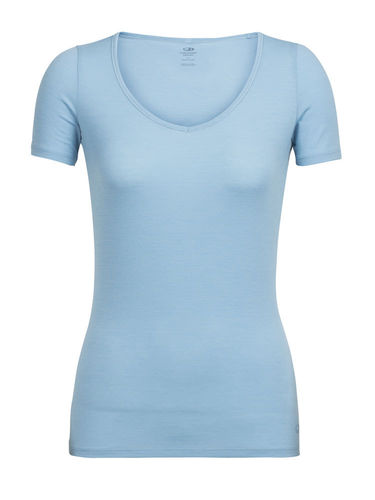
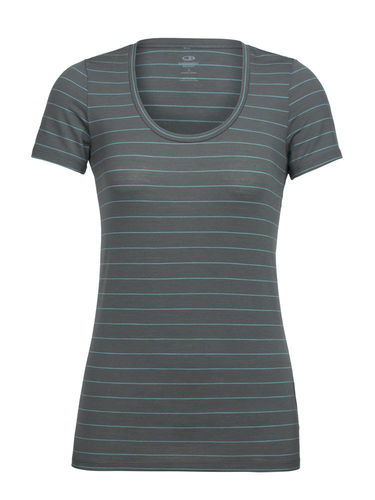
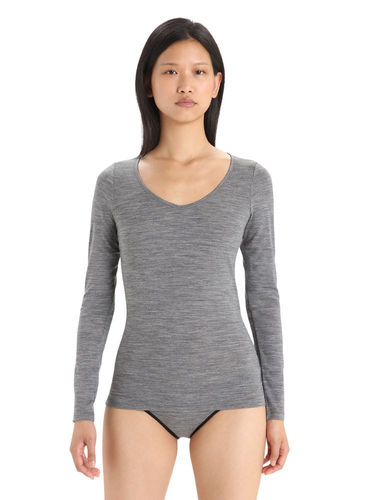
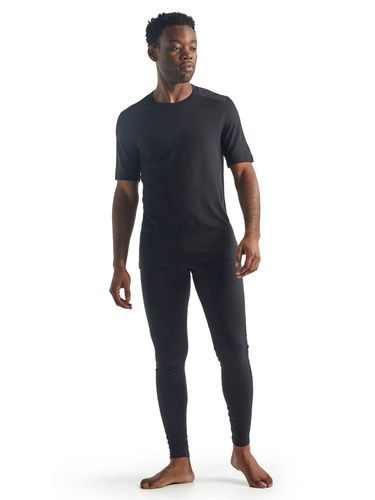
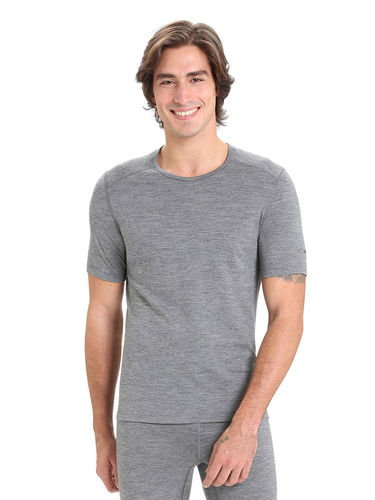
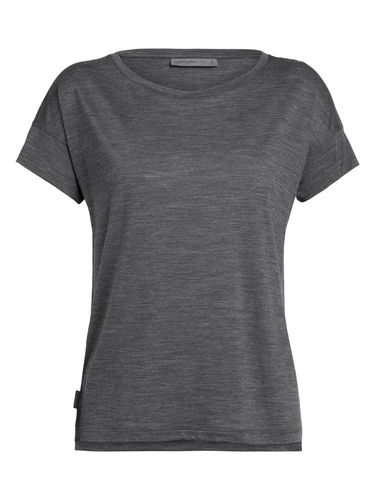
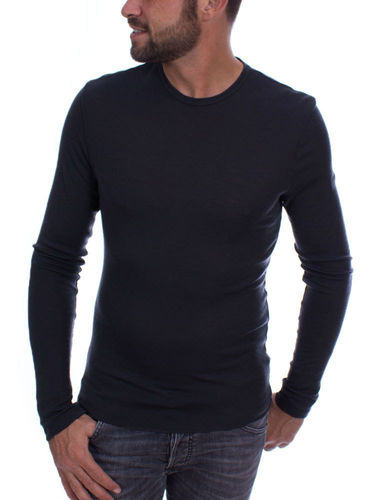
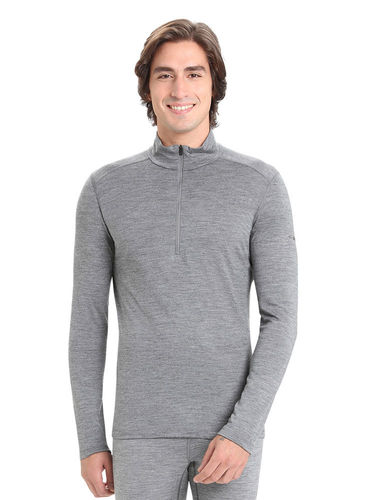
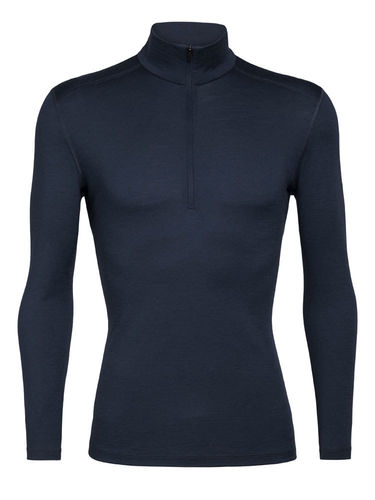
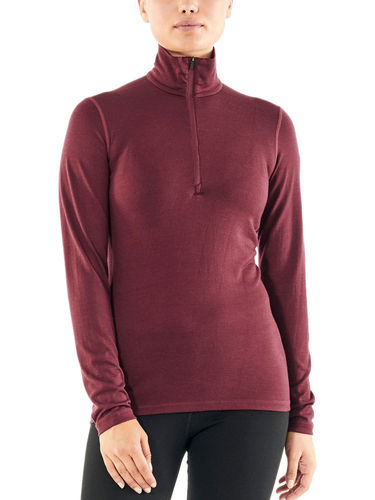
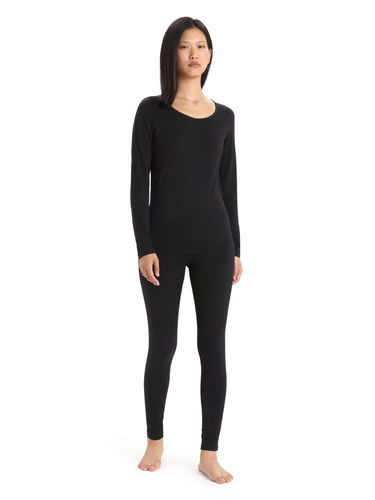
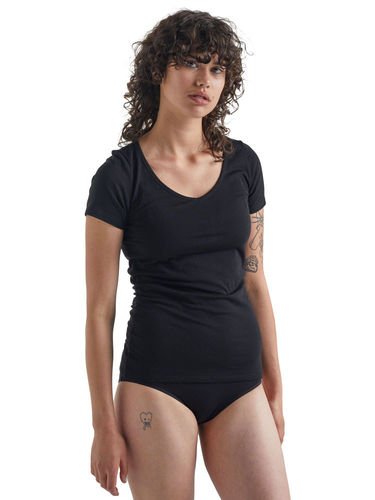
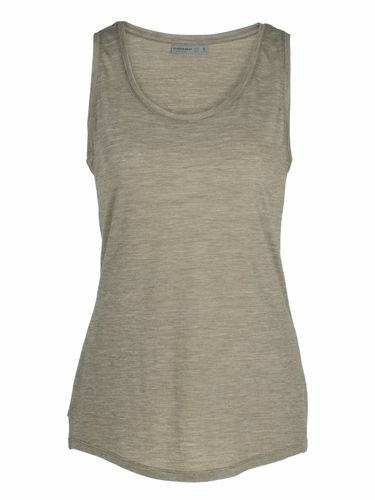
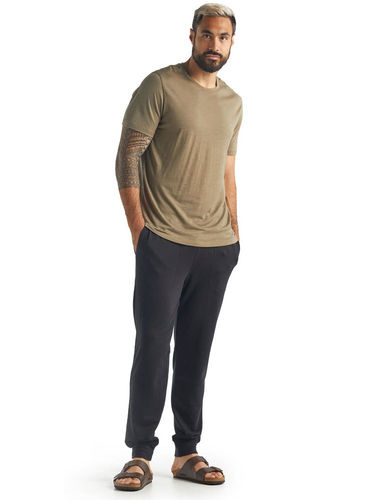
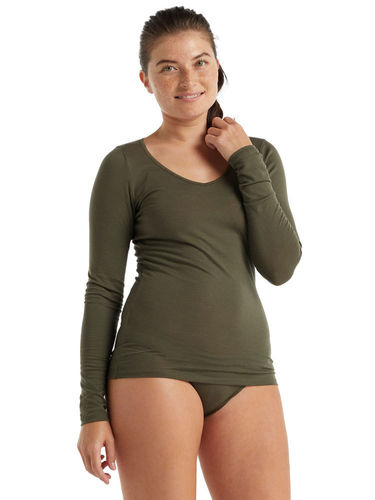
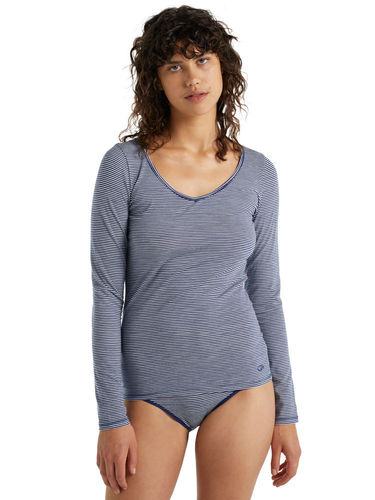
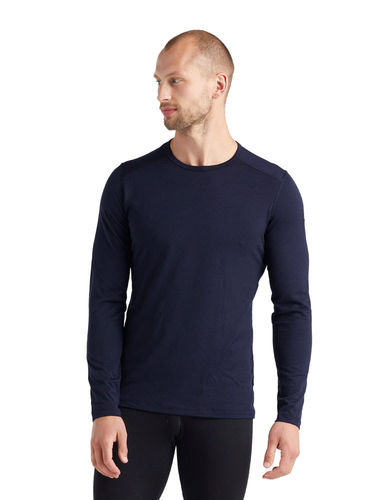
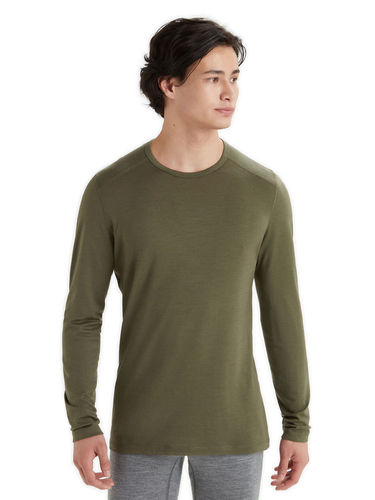
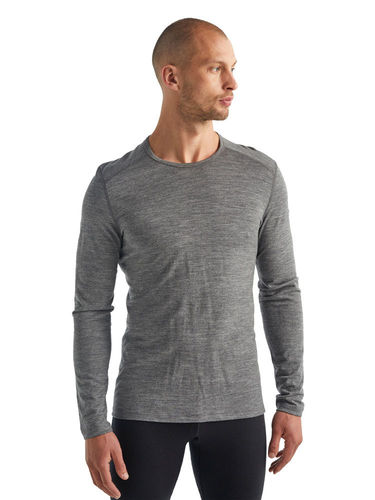
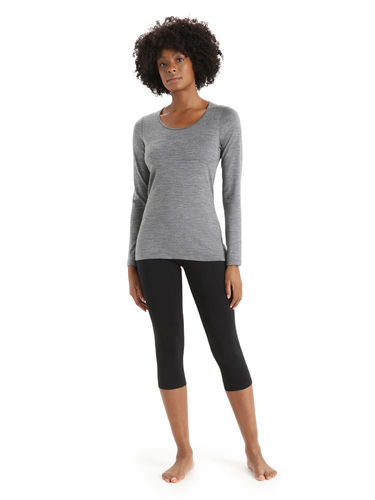
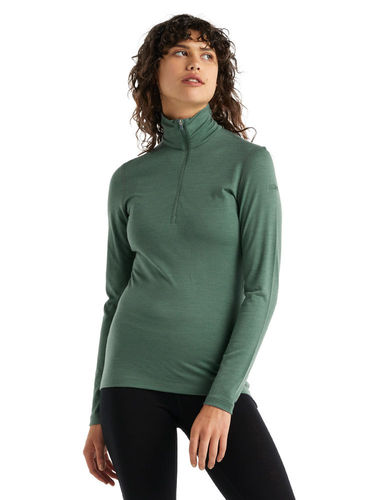
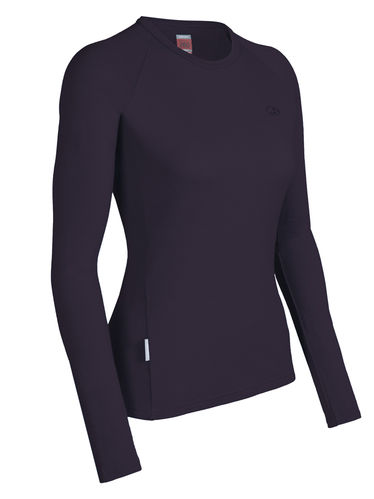
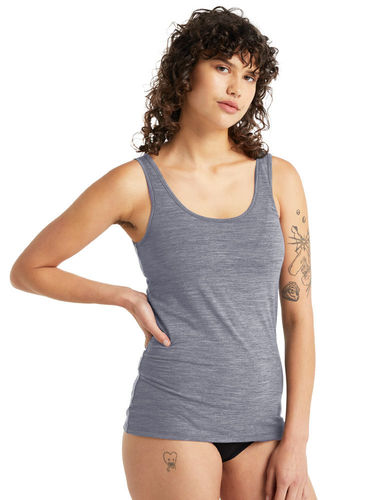
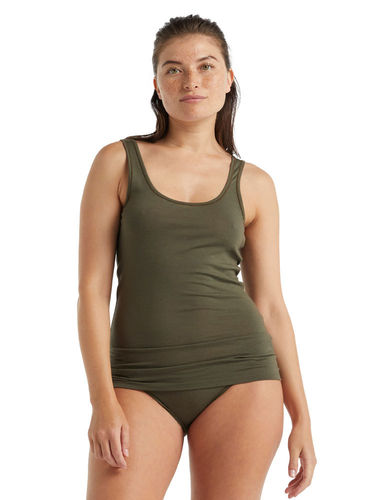
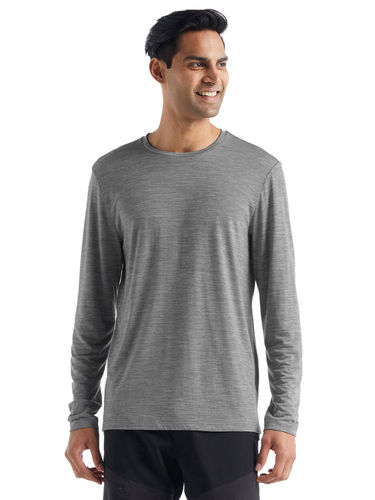
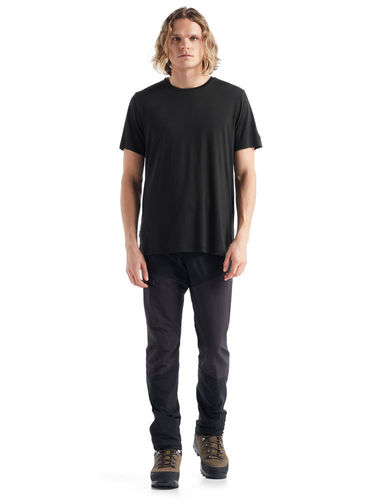
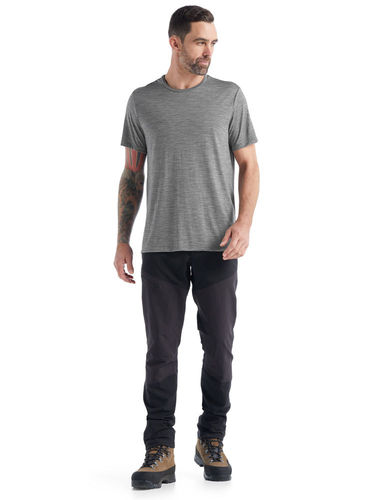
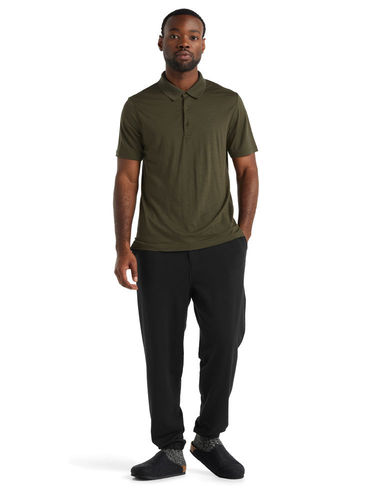
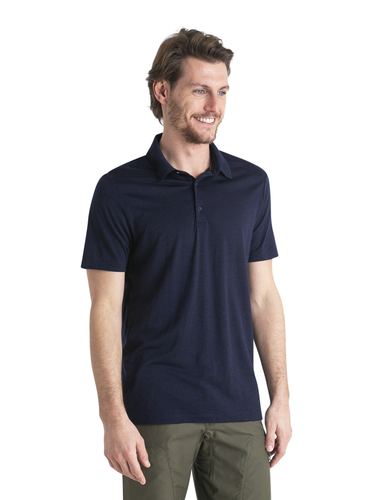
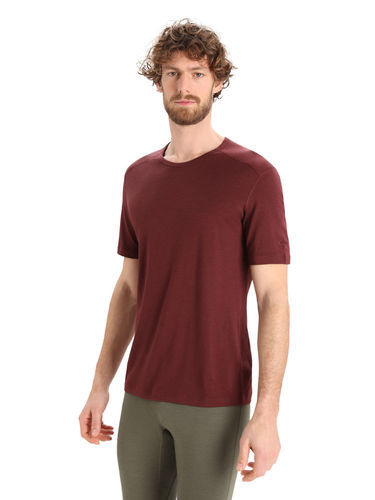
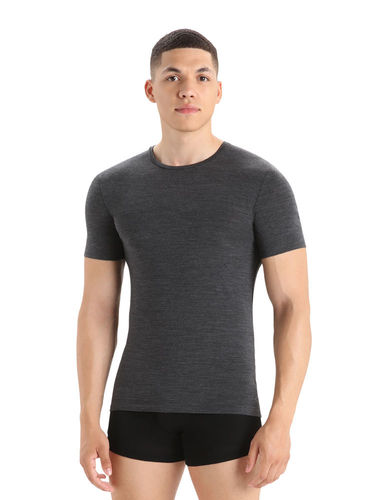
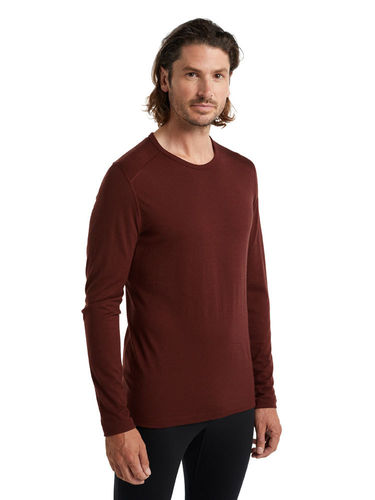
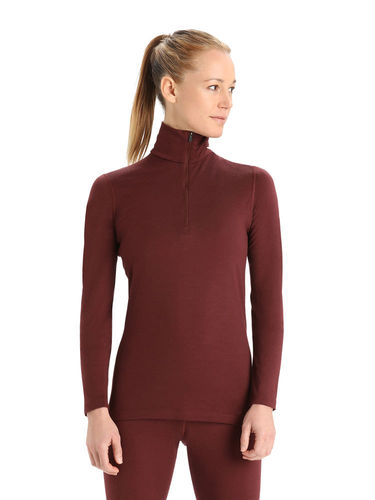
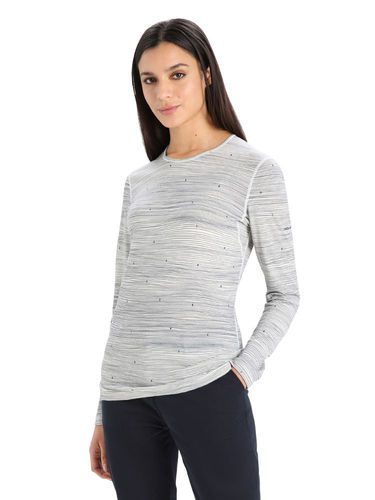
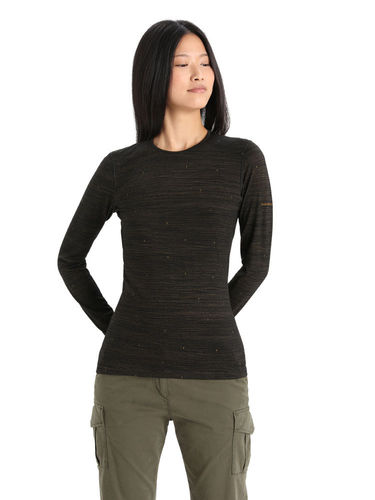
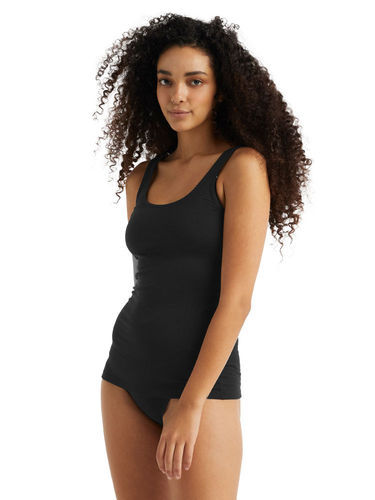
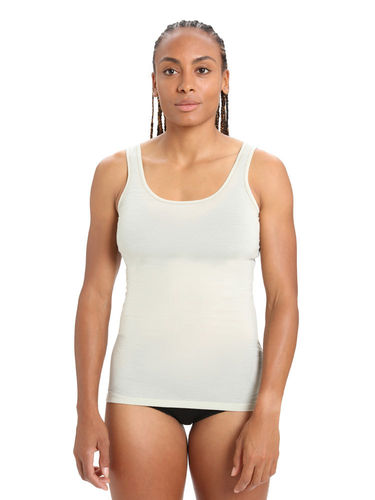
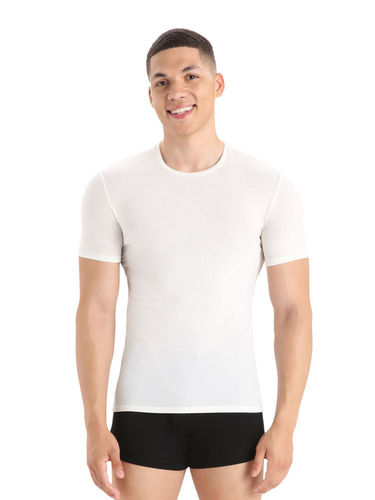
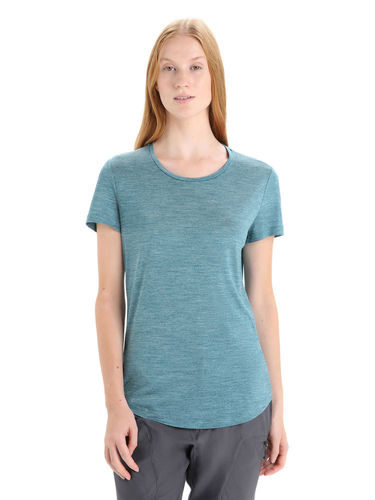
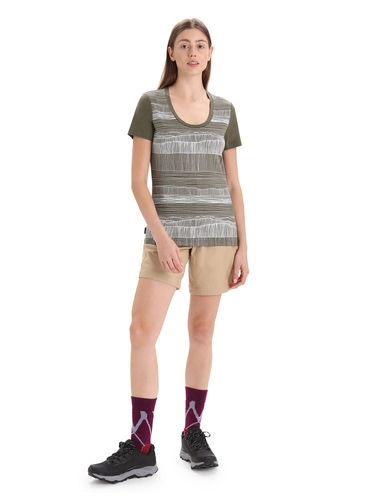
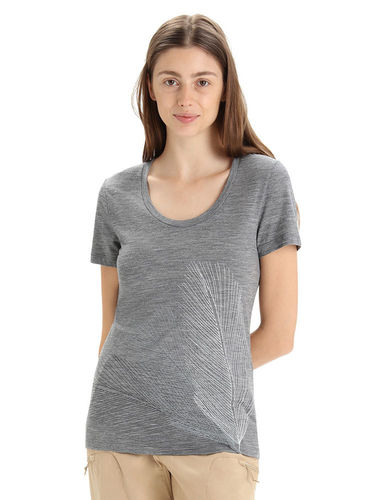
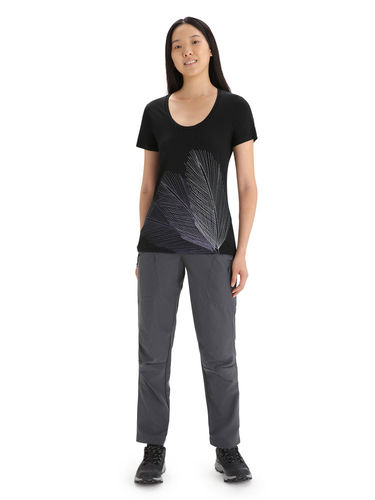
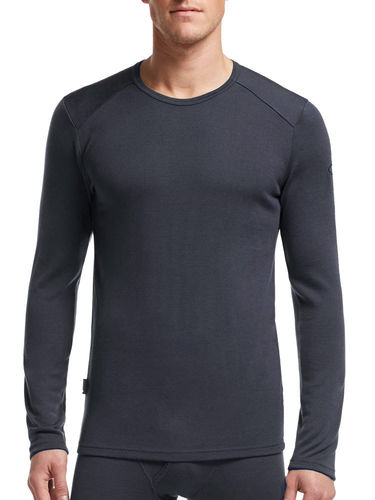
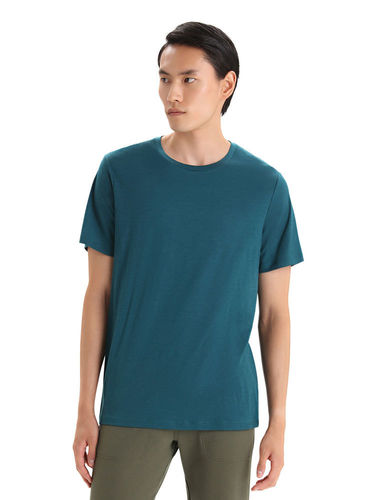
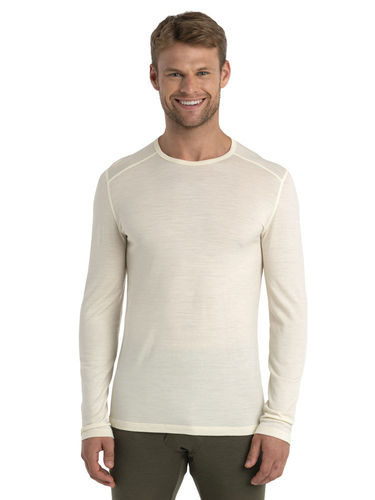
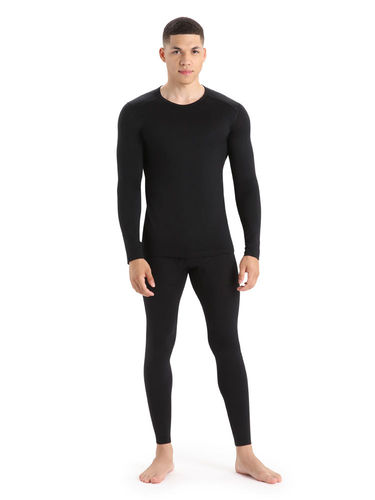
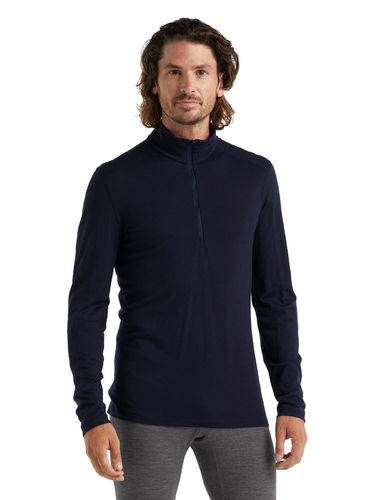
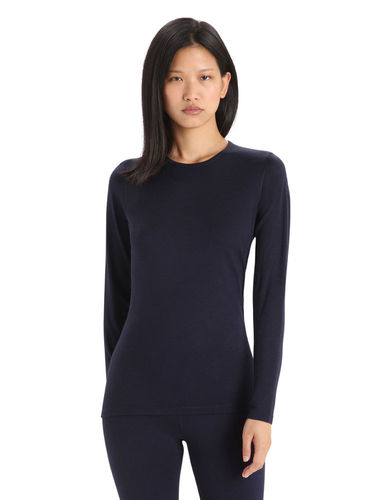
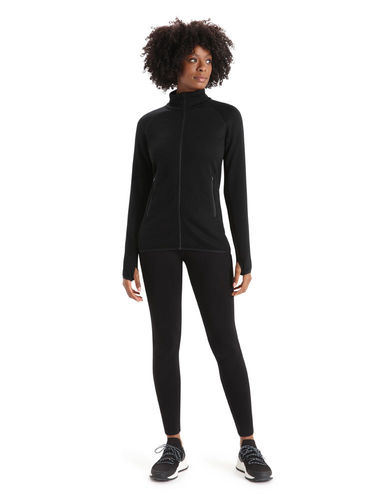
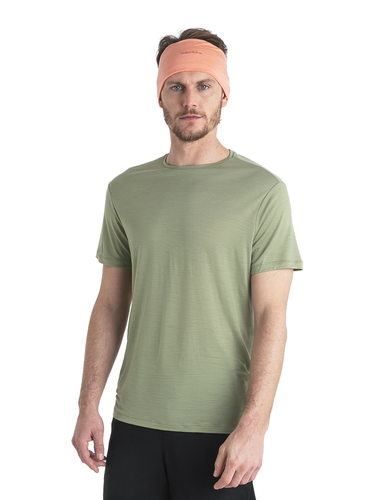
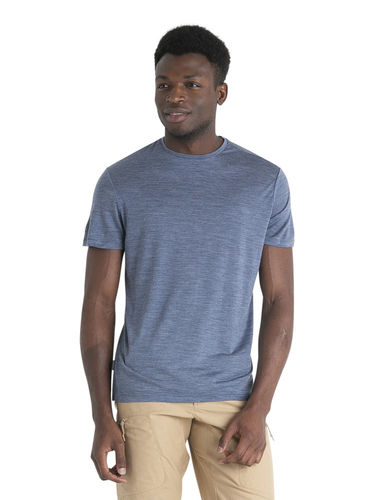
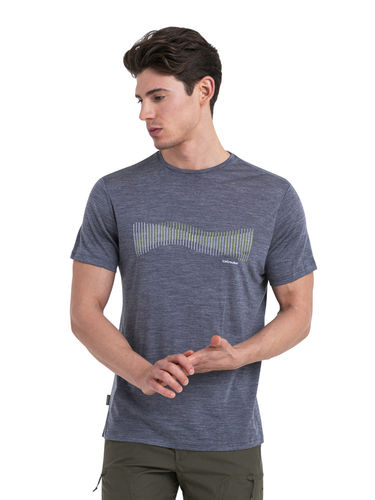
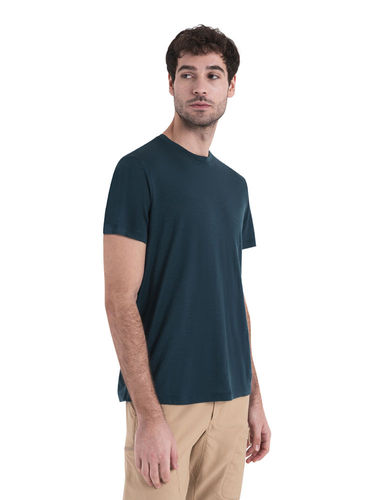
Icebreaker has developed a complete layering system, from lightweight T-shirts to warm midlayers and accessories. The different collections are recognisable by the weight of the fabric (in grams per square metre), for example:
- 120–150 g/m²: very lightweight shirts and base layers for warm conditions or intensive activity
- 200–260 g/m²: classic base layers for hiking, winter sports and everyday use in cooler seasons
- 320–380 g/m²: thicker midlayers and outer layers for cold conditions
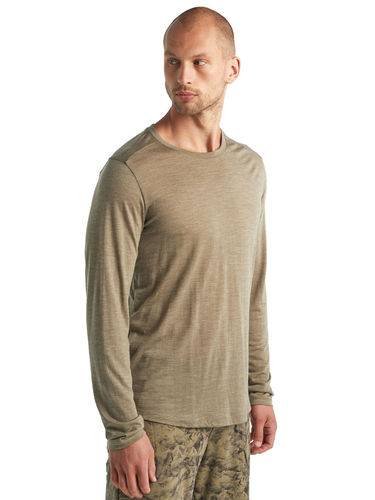
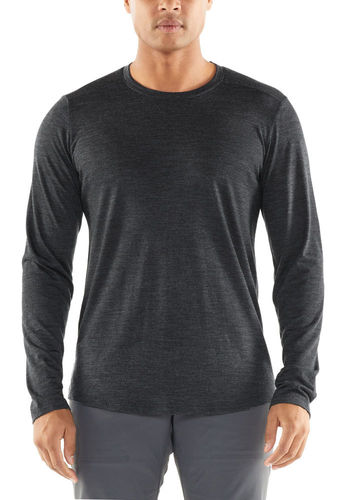
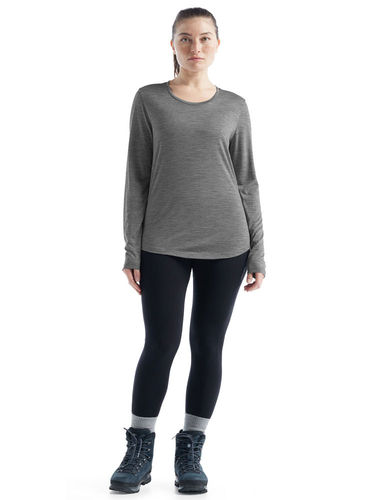
By combining these layers, you can adjust your outfit precisely to the weather and the intensity of your activity: a merino T-shirt or long sleeve directly on the skin, optionally a warmer merino midlayer over it, and as an outer layer a windproof or waterproof jacket. This creates a flexible and comfortable system that can be used all year round.
Animal welfare, origin and transparency
Icebreaker has worked for years with long-term contracts with selected merino farmers in New Zealand. These farmers receive a premium price for their wool and commit to strict standards regarding animal welfare, the environment and working conditions. The sheep farms are spread across the vast, rugged Southern Alps, where the climate is ideally suited to producing strong, high-quality merino wool.
Through the former “Baacode” system, customers could even trace exactly which farm their merino wool came from. This idea of traceability and openness is reflected in Icebreaker’s current transparency reports, in which the brand reports extensively on fibre composition, suppliers and sustainability goals.
Icebreaker also prohibits the use of mulesing on sheep. Instead, farmers work with alternative methods to protect the animals from disease, within clear animal welfare guidelines.
Plastic-free and natural: the path toward fewer synthetic fibres
Icebreaker has a clear ambition to free as much of its collection as possible from fossil, plastic-based fibres. Several years ago, the brand set the goal of becoming “plastic-free by 23”. That goal was not fully reached, but that openness is telling: in recent transparency reports, Icebreaker states clearly that the majority of the collection now consists of natural or plant-based fibres and that they are working step by step toward the remaining percentage.
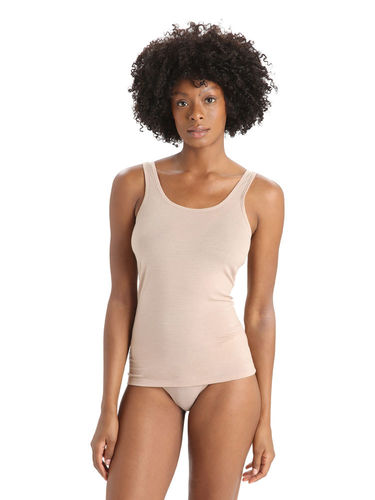
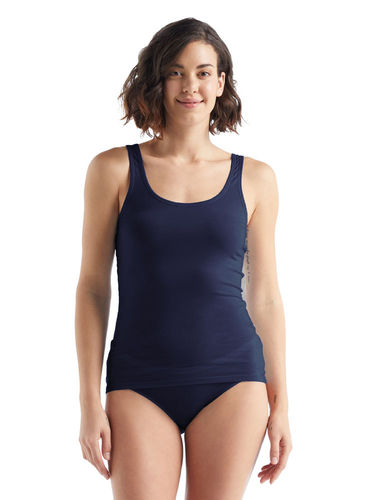
In practice, this means that more and more products are made entirely from merino or a combination of merino and other natural fibres. Only where it is technically still necessary are small amounts of elastane or nylon used, for example in socks, underwear and seams, to ensure fit and durability.
This aligns Icebreaker well with a growing group of outdoor enthusiasts and travellers who consciously choose natural materials, fewer microplastics and clothing that lasts a long time.
Icebreaker in New Zealand: landscapes, farmers and merino sheep
The origins of Icebreaker lie in the rugged, often windy landscapes of New Zealand. There, merino sheep live outdoors year-round, in areas where temperatures can range from freezing winter conditions to warm summer days. It is precisely because of these extremes that merino wool develops its unique combination of insulation, breathability and weather resistance.
Discover more about Icebreaker
If you want to read more background information or explore new product lines, you can visit the official Icebreaker channels:
Icebreaker website: https://www.icebreaker.com
Icebreaker YouTube channel: https://www.youtube.com/user/icebreakernz

























Sign up for our newsletter
Follow us:


Outdoorbrands
Our Brands


Customer reviews


