



 Your basket is empty.
Patagonia
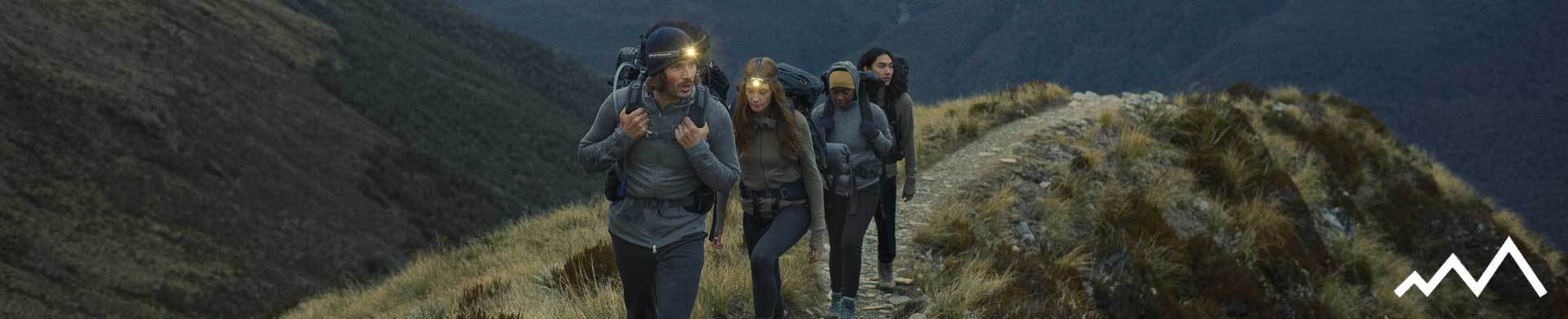
"We’re in business to save our home planet"
"At Patagonia, we appreciate that all life on earth is under threat of extinction. We aim to use the resources we have—our business, our investments, our voice and our imaginations—to do something about it."
The story of Patagonia begins in the 1960s with Yvon Chouinard, a young climber and surfer from California who spent his days in the mountains and by the ocean. Because high-quality climbing equipment hardly existed at the time, he forged his own tools in a small workshop. What started out as a practical solution gradually became a small business that would later form the foundation of an international outdoor brand.
In 1973, the name Patagonia took shape. Chouinard wanted to create clothing that was not only functional and durable, but that also expressed simplicity and beauty. The first products were designed for climbers, but hikers, surfers, skiers and other outdoor enthusiasts soon discovered that this clothing suited them just as well. Nature became the common thread — a place for adventure and a source of inspiration — and that connection only deepened over time.
In the decades that followed, Patagonia grew into a globally recognised brand, yet it remained true to its values. While the clothing industry shifted toward faster and cheaper production, Patagonia chose a different direction: less waste, less environmental harm and more responsibility for the people making their products. This approach resulted in a business philosophy that reached beyond commercial success. Patagonia saw it as its duty to protect the landscapes that shaped its identity.
Sustainability therefore became a guiding principle in design, material choices and production. Patagonia introduced organic cotton long before it was common, brought recycled polyester into the outdoor market and transitioned to responsibly produced wool and down. At the same time, the company worked on supply-chain transparency, safe working conditions and fair compensation. Many collections are now produced under Fair Trade Certified programmes, providing makers with an additional premium.
Patagonia took things further by actively encouraging users to repair and extend the life of their clothing. The company views consumption not as a goal, but as a responsibility. Through repair programmes, guidance and spare parts, clothing becomes a product with a longer lifespan and a smaller environmental footprint.
As the brand gained recognition, its role as an advocate for nature and climate also expanded. Patagonia donates a portion of its annual revenue to organisations working on ecosystem restoration, protection of endangered environments and biodiversity preservation. It supports local grassroots projects as well as international initiatives and motivates other companies to do the same.
In 2022, a new chapter began. Patagonia announced that the company would no longer operate in service of shareholders, but in service of the planet. The ownership structure was changed so that all profit not required to run the business is now dedicated to protecting nature and addressing climate change. With this step, Patagonia set a new benchmark for what responsible business can mean.
Today, Patagonia is a brand for everyone who loves being outdoors and values reliable, comfortable and sustainable clothing. Whether hiking, climbing, skiing, surfing, cycling or simply enjoying fresh air, the products are designed to last and to minimise impact on the world in which they are used.
Anyone wishing to learn more about Patagonia discovers a brand that keeps learning, improving, questioning and pushing forward. The story began with a young climber crafting his own equipment, but it now represents something far greater: protecting the planet we all depend on.


Sign up for our newsletter
Follow us:


Outdoorbrands
Our Brands


Customer reviews


